During the developmental stages of the Ferrari Enzo successor it was known by a variety of names including the F70 and the F150 Project but when the most powerful Ferrari debuted at the Geneva Motor Show – it came with a name intended to signify that this is truly the most incredible Ferrari ever built. As I said when LaFerrari debuted…this isn’t just another Ferrari – this is THE Ferrari.
LaFerrari follows in the footsteps of some truly remarkable sports cars including the GTO, the F40, the F50 and the mighty Enzo but in developing LaFerrari, the engineers wanted to build more than just a high performance supercar…so they made it an ultra high performance hybrid. The result is a supercar that is fitting of the LaFerrari name with technical specifications and details that make it one of the most remarkable vehicles in the history of the automotive industry. Not only is LaFerrari the most powerful road going Ferrari ever built but thanks to the race proven HY-KERS hybrid assist system, LaFerrari is also one of the most efficient.
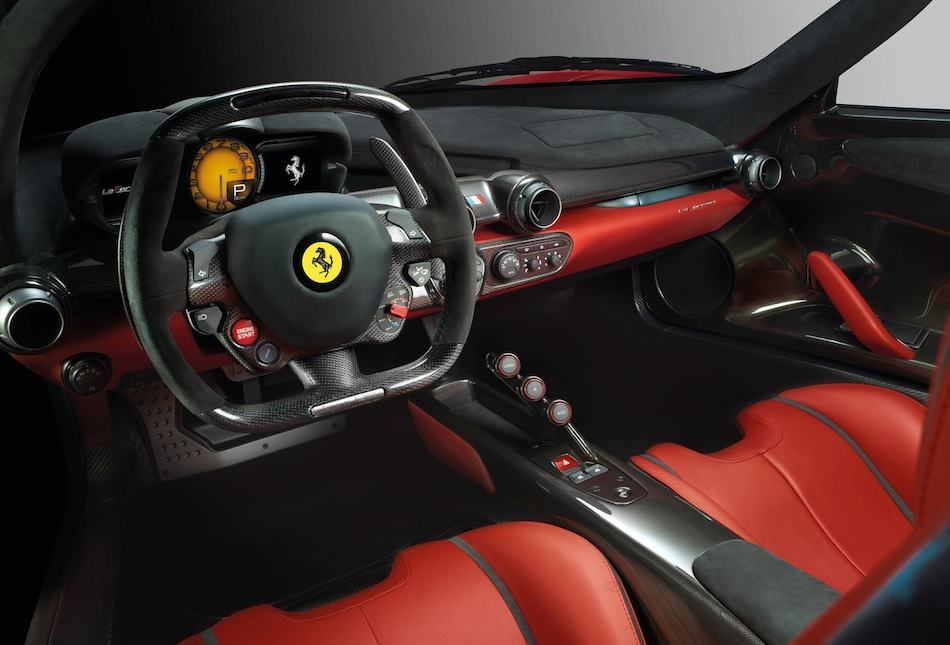 LaFerrari is powered by a high revving V12 that churns out an impressive 789 horsepower and 516lb-ft of torque but with the HY-KERS hybrid assist setup, the overall output of LaFerrari sits at 950 horsepower and “greater than” 664lb-ft of torque. This power is channeled to the rear wheels via a 7-speed dual clutch automatic that helps the 2,400 pound LaFerrari rip from a stop to 62 miles per hour in “under 3 seconds” with a top speed that is promised to top 217 miles per hour. Ferrari has yet to offer exact performance figures (0-62, top speed, etc) but I would be willing to bet that they will be equal or very, very close to those posted by the Lamborghini Veneno. 499 examples of LaFerrari will be built with a selling price of $1.5 million US dollars and Sergio Marchionne has stated that they are all spoken for.
A quick rundown of the vitals:
Vehicle: Lamborghini Veneno/LaFerrari (bolded)
Production numbers: 3 / 499
Price: $4.6 million / $1.5 million
Engine: 6.5L V12 / 6.3L V12 with hybrid assist
Horsepower:740 / 950
Lb-Ft of Torque:Not Available / >664
Transmission: 7-speed automated manual / 7-speed dual clutch automatic
Drive: Permanent all wheel / Rear wheel
Curb Weight: 3,190lb / 2,420lb
0-62: 2.8s / Below 3.0s
Top Speed: 221mph / >217mph
Intangibles: Full race car design / Race proven hybrid drive system
Vehicle: Lamborghini Veneno/LaFerrari (bolded)
Production numbers: 3 / 499
Price: $4.6 million / $1.5 million
Engine: 6.5L V12 / 6.3L V12 with hybrid assist
Horsepower:740 / 950
Lb-Ft of Torque:Not Available / >664
Transmission: 7-speed automated manual / 7-speed dual clutch automatic
Drive: Permanent all wheel / Rear wheel
Curb Weight: 3,190lb / 2,420lb
0-62: 2.8s / Below 3.0s
Top Speed: 221mph / >217mph
Intangibles: Full race car design / Race proven hybrid drive system

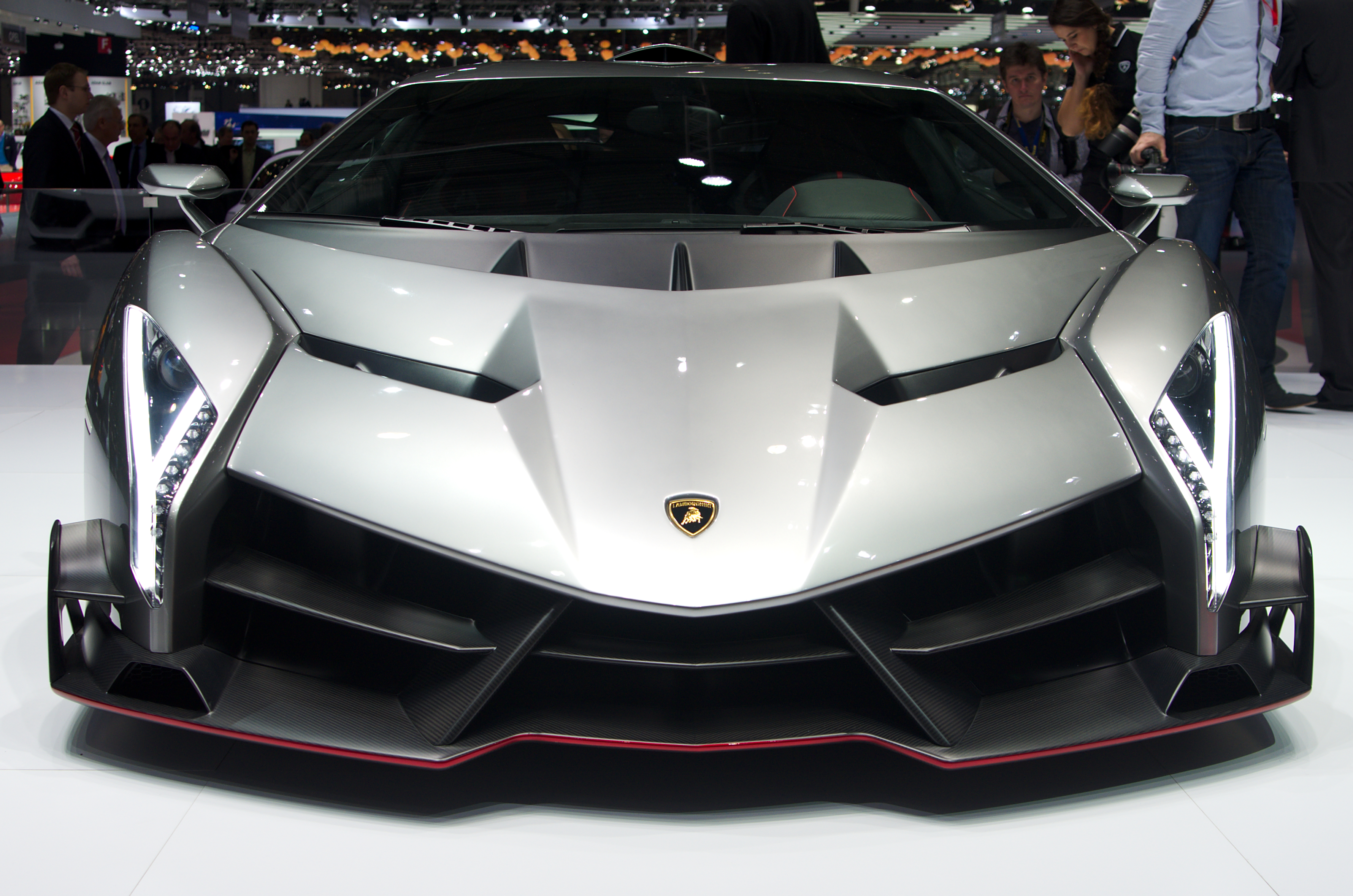
When you look at many of the statistics side by side, LaFerrari seems to have a substantial advantage with a considerably lower curb weight and around 210 more horsepower while likely also having a significant advantage in torque. However, the fact that the Lamborghini Veneno utilizes the full carbon fiber body and chassis with a state of the art all wheel drive system, allowing this heavier and less powerful vehicle to post preliminary performance figures that are better than those offer by LaFerrari indicate that the Lamborghini makes better use of the available power.
LaFerrari has gobs more power and is more efficient thanks to the HY-KERS hybrid assist system but the Lamborghini Veneno will seemingly be the quicker and faster of the two. As much as I would like to side with the stunning sharp lines and the performance advantage of the Lambo – I have to pick LaFerrari as the better of the two new Italian supercars. Add to the 950 horsepower drivetrain and the hybrid efficiency of LaFerrari a price tag that is less than a third of the Veneno while also being easier (in theory) to get with 496 more copies sold to the public – LaFerrari is deserving of the title of being the world’s greatest supercar…For now.

Between the Lamborghini Veneno and LaFerrari, which supercar do you think is deserving of being named the greatest supercar in the world? Tell us in the comments below!